Must-Have Car Safety Features for New and Used Cars

When it comes to buying a car—whether brand new or gently used—safety should always be a top priority. Car safety features have come a long way in the past decade, evolving from basic seatbelts and airbags to sophisticated driver-assistance systems that help prevent accidents before they even happen.
Today’s vehicles are equipped with technologies that not only protect you during a crash but also actively work to reduce the likelihood of collisions altogether. These features aren’t just for luxury cars anymore—many have become standard across a wide range of makes and models, including budget-friendly and used vehicles.
Whether you’re a first-time buyer, upgrading your ride, or helping a loved one shop smart, understanding which safety features are truly essential can make all the difference. In this guide, we’ll break down the must-have car safety features to look for—so you can drive away with confidence, peace of mind, and protection for everyone on board.
Why Car Safety Features Matter
Each year, millions of car accidents occur across the United States, with the National Highway Traffic Safety Administration (NHTSA) reporting over 6 million crashes annually. While not all accidents are fatal, many result in serious injuries, property damage, and long-term financial strain. The good news? Modern car safety features are proven to reduce the severity and frequency of these incidents.
According to the Insurance Institute for Highway Safety (IIHS), vehicles equipped with advanced safety features—such as automatic emergency braking, blind spot detection, and electronic stability control—see a significant drop in crash-related injuries. For example, forward collision warning systems with automatic braking can reduce rear-end crashes by up to 50%. These innovations don’t just save lives—they help drivers avoid costly repairs, time off work, and emotional trauma.
But the value of car safety features goes beyond physical protection. They also impact your wallet. Many insurance companies offer discounts on premiums for vehicles equipped with specific safety technologies, like anti-lock brakes, lane departure warnings, or rearview cameras. Over time, these savings can add up. Additionally, cars with strong safety ratings and modern safety equipment often retain higher resale values, making them smarter long-term investments.
For certain groups of drivers, safety features are especially critical:
- Families benefit from features like rear-seat reminders, child safety locks, and LATCH systems that make car seats easier and safer to install.
- New or teenage drivers gain confidence and protection from systems like lane-keeping assist and driver monitoring alerts.
- Frequent commuters and long-distance travelers appreciate fatigue-reducing technologies such as adaptive cruise control and blind spot alerts, which make daily drives safer and less stressful.
Car safety features aren’t just nice-to-have—they’re game-changers for protecting lives, lowering costs, and offering greater peace of mind behind the wheel.
Core Safety Features Every Car Should Have
Before diving into advanced technology and optional upgrades, it’s crucial to understand the core safety features that every vehicle—new or used—should include. These foundational elements are often the first line of defense in the event of an accident and are essential for protecting drivers and passengers alike.
Airbags (Front, Side, and Curtain)
Airbags have been a standard in vehicles for decades, but their effectiveness continues to evolve with design and placement. Front airbags protect the driver and front passenger from direct impact during frontal collisions, while side airbags shield the torso during side impacts. Curtain airbags, which deploy from the ceiling along the windows, provide vital head protection in rollover crashes or side collisions—especially important for backseat passengers and children. These systems work in milliseconds, cushioning the body from impact and significantly reducing the risk of serious injury or death.
Anti-lock Braking System (ABS)
ABS is designed to prevent your wheels from locking up during sudden or hard braking, which can cause you to skid and lose control of the vehicle. Instead of pressing the brakes steadily, ABS pulses them rapidly to maintain traction—helping you stop more efficiently and steer safely during emergencies. Whether you’re driving in rain, snow, or on dry roads, ABS greatly enhances control and braking performance, especially in panic situations.
Electronic Stability Control (ESC)
ESC goes hand-in-hand with ABS and helps prevent loss of control in slippery conditions or during abrupt maneuvers. It automatically applies brakes to individual wheels and adjusts engine power when it detects skidding or oversteering, keeping the car headed in the intended direction. This feature is particularly helpful in avoiding spinouts or rollovers, and it’s so effective that the NHTSA made it mandatory in all vehicles manufactured after 2012.
Seatbelts with Pretensioners
Seatbelts are the most fundamental safety tool in any vehicle—but not all seatbelts are created equal. Pretensioners tighten the belt immediately upon sensing a collision, pulling the occupant firmly into the seat to reduce movement and maximize protection. Some systems also include load limiters, which allow a small amount of controlled give to minimize chest injuries. Combined, these mechanisms ensure that the seatbelt holds you in place exactly when and how it should during a crash.
Crumple Zones & Reinforced Frames
Modern vehicles are engineered with crumple zones—strategically designed areas at the front and rear that absorb and disperse impact energy during a collision. Rather than transferring the force of a crash directly to passengers, these zones “crumple” in a controlled manner to reduce injury risk. Meanwhile, reinforced safety cages surround the passenger cabin with high-strength steel to prevent intrusion and maintain structural integrity. Together, these features balance vehicle flexibility and rigidity, providing both shock absorption and a protective core.
These core safety components aren’t flashy or high-tech, but they’re non-negotiable for any reliable vehicle. When shopping for a new or used car, ensuring these features are present and fully functional is the first step in securing a safe ride for you and your loved ones.
Advanced Driver Assistance Systems (ADAS) to Look For
Today’s vehicles aren’t just built to protect you in the event of a crash—they’re designed to help prevent accidents from happening in the first place. Advanced Driver Assistance Systems (ADAS) are cutting-edge technologies that enhance driver awareness, improve reaction time, and assist with safer vehicle operation. While these features are more common in newer models, many used cars also offer them, making them important to look for regardless of your budget.
Here are the key ADAS features every safety-conscious driver should consider:
Blind Spot Monitoring
This system alerts you when a vehicle is detected in your blind spot—typically with a small visual warning on the side mirrors or an audible alert if you attempt to change lanes. Blind spot monitoring is especially useful on highways and in heavy traffic, helping prevent unsafe lane changes and potential side-swipes. Some vehicles also include blind spot intervention, which can gently apply the brakes or adjust the steering to avoid a collision.
Lane Departure Warning & Lane Keep Assist
Lane Departure Warning uses cameras to monitor lane markings and alerts you if the vehicle begins drifting out of its lane without a turn signal. It’s particularly helpful when you’re fatigued or distracted. Lane Keep Assist goes a step further by gently steering the car back into its lane or nudging the wheel to prevent unintentional drifting. Together, these features reduce the risk of sideswipe collisions and off-road accidents.
Forward Collision Warning
This system uses sensors and cameras to detect an impending collision with a vehicle or object ahead. If it senses a potential crash, it warns the driver with visual and auditory cues, giving you precious extra seconds to react. Whether in stop-and-go traffic or cruising at highway speeds, Forward Collision Warning is a crucial safety net for avoiding rear-end accidents.
Automatic Emergency Braking (AEB)
Paired with forward collision warning, AEB takes over when a driver fails to respond quickly enough. It automatically applies the brakes to slow down or completely stop the vehicle, minimizing impact or avoiding the crash entirely. This feature is especially beneficial in urban environments and during sudden traffic slowdowns. According to IIHS data, AEB can reduce rear-end collisions by up to 50%.
Adaptive Cruise Control
Unlike traditional cruise control, Adaptive Cruise Control (ACC) maintains a set speed and automatically adjusts to maintain a safe distance from the vehicle ahead. Using radar and sensors, the system will slow down and accelerate as needed, making highway driving more comfortable and reducing the risk of tailgating-related accidents. Some advanced versions also offer stop-and-go functionality, which is useful in traffic jams.
Rear Cross-Traffic Alert
When reversing out of parking spots or driveways, Rear Cross-Traffic Alert detects vehicles, pedestrians, or obstacles approaching from either side—especially helpful when your line of sight is blocked. It’s typically paired with a backup camera and often provides visual and audio warnings, or even engages the brakes if needed.
How These Features Work Together
While each ADAS feature offers protection in specific driving scenarios, their real power lies in how they work together to create a safer, more responsive driving experience. For example:
- Forward Collision Warning, AEB, and Adaptive Cruise Control form a safety trio that keeps you alert, maintains safe distances, and reacts to sudden stops.
- Blind Spot Monitoring, Lane Keep Assist, and Rear Cross-Traffic Alert ensure full 360-degree situational awareness, helping prevent side and rear collisions.
- Together, these systems act as an extra set of eyes and reflexes, compensating for human error, fatigue, or momentary distractions.
The result? Fewer accidents, safer roads, and a greater sense of confidence every time you’re behind the wheel. Whether you’re shopping for a brand-new car or evaluating a used one, ADAS features are well worth prioritizing—they don’t just make driving easier, they make it smarter.
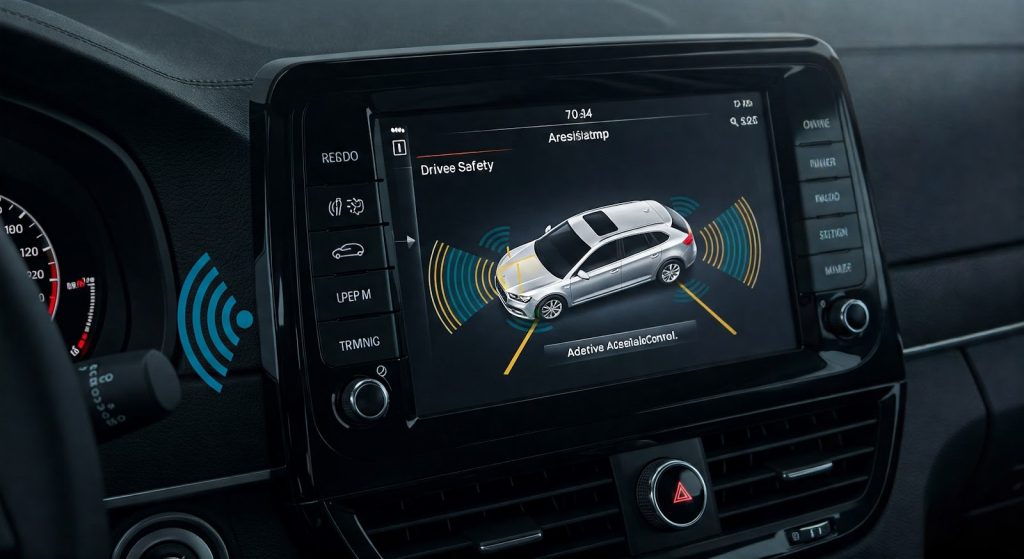
Safety Features That Could Save You Money
While safety features are primarily designed to protect lives, they also come with a surprising financial upside—especially when it comes to insurance premiums, maintenance costs, and the long-term value of your vehicle. Investing in a car with the right safety tech doesn’t just make your drive safer; it can make your budget happier, too.
How Certain Features Can Lower Insurance Premiums
Many insurance providers offer discounts for vehicles equipped with advanced safety features. Why? Because these features help reduce the risk of accidents and claims, saving insurers money, and in turn, saving you money too. Some commonly discounted features include:
- Anti-lock Braking Systems (ABS)
- Electronic Stability Control (ESC)
- Blind Spot Monitoring
- Forward Collision Warning & AEB
- Backup Cameras & Parking Sensors
The exact discount will vary by provider and location, but drivers can often save 5–15% or more on their premiums just for having these features. In some states, insurers are even required to offer discounts for certain safety systems, so it pays—literally—to ask your insurance company what savings are available.
Long-Term Maintenance Savings
Avoiding accidents isn’t just about preventing injury—it also helps you avoid the unexpected costs of repairs, insurance deductibles, and time without your vehicle. For example:
- Rear parking sensors and backup cameras reduce the chance of low-speed fender benders, which are among the most common—and costly—types of accidents.
- Automatic Emergency Braking (AEB) can help avoid front-end collisions that typically involve expensive bumper, headlight, and grille repairs.
- Lane Keep Assist and Blind Spot Monitoring reduce side-impact incidents that can lead to costly bodywork or door replacement.
Over time, these features can easily save hundreds—or even thousands—of dollars in repairs and insurance claims.
The Cost-Benefit of Choosing a Slightly Newer Used Car
If you’re shopping used, you might be tempted to choose the lowest-priced vehicle within your budget. But opting for a slightly newer model with more built-in safety features can be a smarter financial decision in the long run. Here’s why:
- Newer used cars (3–5 years old) often come standard with many ADAS features that were previously optional.
- These features can help you qualify for better insurance rates and reduce out-of-pocket repair costs.
- A car with strong safety tech can hold its value better and be more attractive for resale or trade-in.
While the upfront price might be slightly higher, the combined savings on insurance, repairs, and peace of mind can more than make up for it, especially over a 3–5 year ownership period.
Safety features are more than just smart protection—they’re smart financial planning. Whether you’re buying new or used, prioritizing safety tech can be one of the most cost-effective decisions you make during your car-buying journey.
Ready to Invest in a Safer Driving Experience and Protect Your Budget?
LoanCenter makes it simple to secure the funds you need, offering competitive interest rates, flexible terms, and a quick online application.