Hacking Your Ride: How Thieves Can Hold Your Self-Driving Car as a Virtual Hostage

Advancements in technology continually evolve, not just adapting to the times but also to prevailing trends. Automation, especially in the realm of vehicular technology, is one such trend. Autonomous vehicles represent a leap forward in this domain, significantly simplifying commuting by reducing stress and allowing the individual traditionally at the wheel to take a more passive role. Although autonomy won’t feature in every new vehicle, a good number will come integrated with advanced automation designed to enhance the driving experience.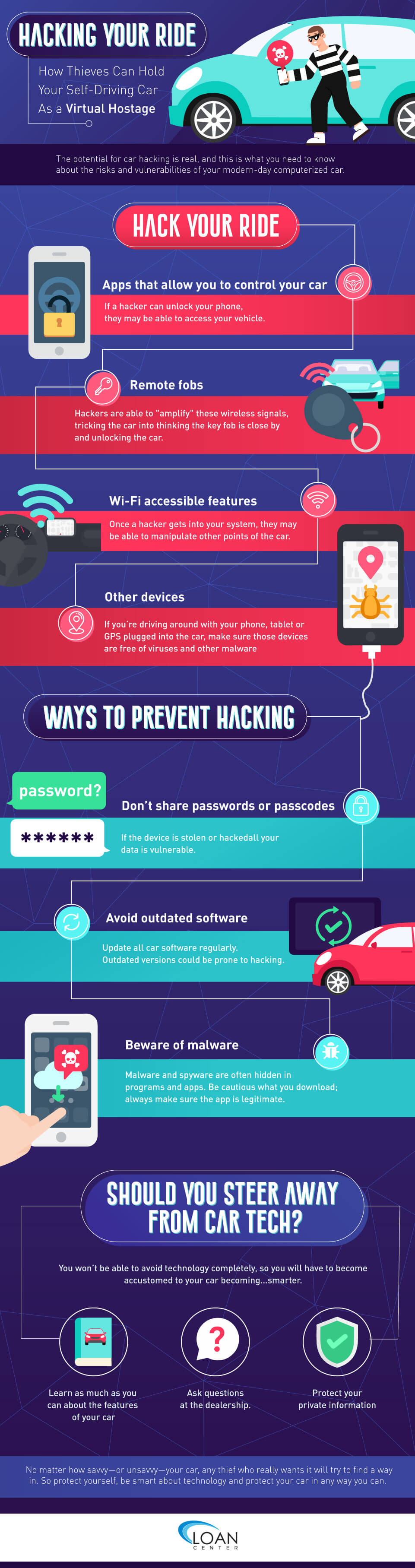
Keeping up with current automotive innovations, manufacturers are now incorporating features that assist with finding free parking spaces, a boon for saving both time and fuel. The shift towards renewable energy is marked by the introduction of solar-powered vehicles, while narrower, motorcycle-like dual-wheeled cars are being designed for better maneuverability in traffic. Vehicles released in recent years boast a plethora of technological advancements such as camera-assisted parking, in-built entertainment systems, and digital navigation aids to support the driver.
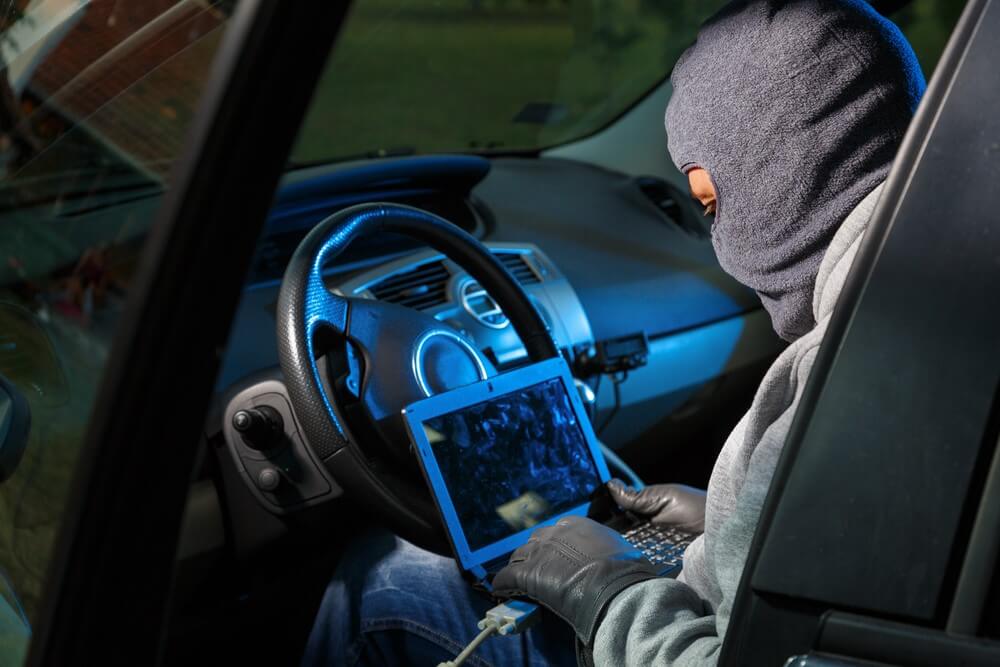
Given today’s sophisticated automotive technology, troubleshooting technical issues in modern cars usually involves interfacing with the vehicle’s onboard computer system, a significant shift from the days when a simple look under the hood sufficed. With this increased reliance on computer systems comes heightened risk, particularly from cyber threats. Self-driving cars and vehicles with advanced tech are especially susceptible to hacking, posing a serious security concern. A notorious demonstration of this vulnerability was the remote sabotage of a Jeep’s controls, which highlighted the potential danger when hackers could seize control of a vehicle’s transmission, as they did with the cooperation of journalist Andy Greenberg.
The possibility of car hacking is not just theoretical—it’s a genuine threat. Hackers have several avenues through which to compromise your vehicle. Apps designed to control car functions remotely are potential entry points. Similarly, remote key fobs are not as secure as they may seem, with hackers capable of intercepting and amplifying their signals to unlock vehicles. Wi-Fi enabled features and in-car entertainment systems also offer backdoors through which hackers can infiltrate and potentially take control.
To combat these risks, vigilance and proactive measures are vital. Never share sensitive information like passwords, and ensure any software associated with your vehicle is regularly updated to guard against known vulnerabilities. Be wary of malware, avoiding the download of dubious applications on devices that you might connect to your car.
Despite the risks, it’s unrealistic to forego technology-rich vehicles entirely. Embracing and understanding your vehicle’s features, asking the right questions when purchasing, and implementing security measures can help mitigate the threat of vehicular cyberattacks. Remember, before the advent of contemporary tech, vehicles were susceptible to theft through lockpicking and hotwiring. As technology progresses, so too must our approach to security, regardless of whether a vehicle is simple or technology-laden.
The focus here is secure yet savvy utilization of vehicular technology, recognizing the importance of cybersecurity and user responsibility without retreating from the conveniences and advancements offered by modern self-driving cars.